


|
home ao english musik literatur journalismus bilder sprachen mehr shop sitemap | |
Im Iran  |
In Iran |
En Iran |
In Iran |
En Irán |
(۱۷): در ایران |
(Deutsch) Heinz und Helmut sind „Die Jungs”. In der Fünf-Minuten-Dialogserie geraten die beiden in die unwahrscheinlichsten Situationen. |
(English) Heinz and Helmut are "The Boys". In the five-minute dialogue series, the two get into the most unlikely situations. |
(Français) Heinz et Helmut sont « Les Gars ». Dans la série de dialogues de cinq minutes, les deux se retrouvent dans les situations les plus improbables. |
(Italiano) Heinz e Helmut sono "I Ragazzi". Nella serie dialogata di episodi di cinque minuti, i due si trovano nelle situazioni più improbabili. |
(Español) Heinz y Helmut son "Los Chicos". En esta serie de diálogos de cinco minutos, los dos se encuentran en las situaciones más inverosímiles. |
(فارسی) هاینتس و هلموت «پسران» هستند. این دو در مجموعهٔ گفتوگوهای پنجدقیقهای در غیرمحتملترین موقعیتها گرفتار میشوند. |
Die Jungs im Iran (2026): Auf Umwegen gelangen die Jungs nach Teheran, wo ihr Freund Azad lebt. Zusammen arbeiten sie an einem Plan, um das Chamäleon zu enttarnen und sein Imperium zu einem Ende zu bringen. Dabei tauchen sie in die faszinierende Welt des Iran ein, ein Land, das soeben neu erwacht und sich nach den Angriffen des Westens verwandelt. |
The Boys in Iran (2026): After taking a roundabout route, the Boys arrive in Tehran, where their friend Azad lives. Together, they work on a plan to expose the Chameleon and bring his empire to an end. Along the way, they immerse themselves in the fascinating world of Iran, a country that has just awakened anew and, following the West's attacks, is transforming. |
Les Gars en Iran (2026) : Après un détour, les Gars arrivent à Téhéran, où vit leur ami Azad. Ensemble, ils élaborent un plan pour démasquer le Caméléon et mettre un terme à son empire. Au fil de leur aventure, ils plongent dans le monde fascinant de l'Iran, un pays qui vient tout juste de renaître et qui, après les attaques de l'Occident, se transforme. |
I Ragazzi in Iran (2026): Dopo un giro, i Ragazzi arrivano a Teheran, dove vive il loro amico Azad. Insieme lavorano a un piano per smascherare il Camaleonte e porre fine al suo impero. Nel frattempo si immergono nell'affascinante mondo dell'Iran, un Paese appena risvegliatosi che, dopo gli attacchi dell'Occidente, si sta trasformando. |
Los Chicos en Irán (2026): Tras llegar por un camino indirecto, los Chicos llegan a Teherán, donde vive su amigo Azad. Juntos trabajan en un plan para desenmascarar al Camaleón y poner fin a su imperio. En el proceso, se adentran en el fascinante mundo de Irán, un país que acaba de despertar de nuevo y que, tras los ataques de Occidente, se está transformando. |
پسران در ایران (۲۰۲۶): پسران از راههای غیرمستقیم خودشان را به تهران میرسانند، جایی که دوستشان آزاد زندگی میکند. آنها با هم روی نقشهای کار میکنند تا آفتابپرست را افشا کنند و به امپراتوری او پایان دهند. در این میان، آنها وارد دنیای شگفتانگیز ایران میشوند؛ کشوری که بهتازگی دوباره جان گرفته و در پی حملات غرب در حال دگرگون شدن است. |
| محتوا: (۱) به تهران خوش آمدی! (۲) اولین قدمها (۳) خریدِ ذخیرهای (۴) روی چرخوفلک (۵) لباس زیر تحریکآمیز (۶) تغییرات (۷) مونوپولی (۸) در محوطهٔ دانشگاه (۹) رشتههای جنون (۱۰) نوارهای کاغذی (۱۱) کنار دریاچهٔ چیتگر (۱۲) درمان (۱۳) داستان بیمصرف (۱۴) گفتوگوی پسران نیست (۱۵) نصف جهان (۱۶) یک سطح جدید (۱۷) آیندهٔ نامعلوم (۱۸) اینقدر خسته (...) |
(English) A new day, a new awakening. Heinz takes a deep breath and is happy. As for Helmut … Well, he still has to get used to his new surroundings. Let’s give him a little time, he’s had a few really difficult days behind him. |
 |
(Italiano) Un nuovo giorno, un nuovo risveglio. Heinz fa un respiro profondo ed è felice. Quanto a Helmut … Beh, deve prima abituarsi al nuovo ambiente. Diamogli un po’ di tempo, ha passato dei giorni davvero difficili. |
(فارسی) یک روز تازه، یک بیداری تازه. هاینتس نفس عمیقی میکشد و خوشحال است. اما هلموت... خب، او اول باید به محیط جدید عادت کند. کمی به او فرصت بدهیم؛ چند روز واقعاً سخت را پشت سر گذاشته است. (Deutsch) Ein neuer Tag, ein neues Erwachen. Heinz atmet tief durch und ist glücklich. Was Helmut angeht … Nun ja, er muss sich erst an die neue Umgebung gewöhnen. Geben wir ihm ein bisschen Zeit, er hat ein paar wirklich schwierige Tage hinter sich. Special Version | ||
Willkommen in Teheran! Tag 1 Heinz: Sobh be-cheer! |
Welcome to Tehran! Day 1 Heinz: Sobh be-khair! |
Bienvenue à Téhéran ! Jour 1 Heinz : Sobh be-khair ! |
Benvenuto a Teheran! Giorno 1 Heinz: Sobh be-kheer! |
¡Bienvenido a Teherán! Día 1 Heinz: ¡Sobh be-kheer! |
به تهران خوش آمدی! روز ۱ هاینتس: «صبح بخیر!»
|
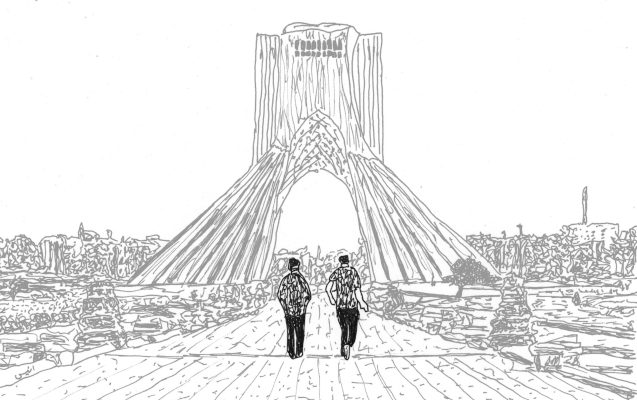
(English) Helmut refuses for a long time to leave the apartment. When Heinz finally manages to persuade him and the two of them visit the city’s landmark, the Freedom Tower, Heinz notices a new side of his friend and isn’t quite sure what to make of it. |
 |
(Italiano) Helmut si rifiuta a lungo di uscire dall’appartamento. Quando Heinz riesce finalmente a convincerlo e i due vanno a visitare il simbolo della città, la Torre della Libertà, Heinz scopre un nuovo lato del suo amico e non sa bene cosa pensarne. |
(فارسی) مدتی طول میکشد تا هلموت حاضر شود آپارتمان را ترک کند. وقتی هاینتس بالاخره میتواند او را راضی کند و آن دو از نماد شهر، برج آزادی، دیدن میکنند، هاینتس متوجه جنبهٔ تازهای در دوستش میشود و نمیداند چندان چه برداشتی از آن داشته باشد. (Deutsch) Lange weigert sich Helmut, die Wohnung zu verlassen. Als Heinz ihn schließlich überreden kann und die beiden das Wahrzeichen der Stadt besuchen, den Freiheitsturm, bemerkt Heinz eine neue Seite an seinem Freund und weiß nicht recht, was er davon halten soll. Special Version | ||
ersten Schritte Tag 4 Heinz: Helmut, wir sind jetzt schon drei Tage hier und du ... |
First Steps Day 4 Heinz: Helmut, we've been here for three days now and you… |
Premiers pas Jour 4 Heinz : Helmut, ça fait déjà trois jours qu'on est ici et tu… |
I Primi passi Giorno 4 Heinz: Helmut, siamo qui già da tre giorni e tu… |
Primeros pasos Día 4 Heinz: Helmut, llevamos ya tres días aquí y tú… |
اولین قدمها روز ۴ هاینتس: هلموت، حالا سه روزه که اینجاییم و تو...
|
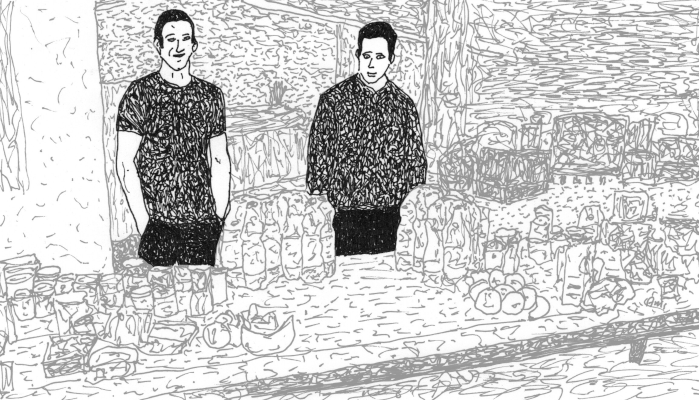
(English) When they return from the Freedom Tower, Helmut is surprised to find the apartment door open and lots of food in the hallway. There are also boxes and sacks piled up in the living room, but that doesn’t stop the Boys from holding a briefing. |
 |
(Italiano) Quando tornano dalla Torre della Libertà, Helmut si meraviglia di trovare la porta dell’appartamento aperta e un sacco di generi alimentari nel corridoio. Anche in soggiorno si ammassano scatoloni e sacchi, ma questo non impedisce ai Ragazzi di fare il punto della situazione. |
(فارسی) وقتی از برج آزادی برمیگردند، هلموت از درِ بازِ آپارتمان و مقدار زیادی مواد غذایی در راهرو تعجب میکند. در اتاق نشیمن هم جعبهها و کیسهها روی هم تلنبار شدهاند، اما این مانع نمیشود که پسران یک جلسهٔ مشورت برگزار کنند. (Deutsch) Als sie vom Freiheitsturm zurückkommen, wundert sich Helmut über die offene Wohnungstür und die vielen Lebensmittel im Flur. Auch im Wohnzimmer stapeln sich Kisten und Säcke, was die Jungs aber nicht davon abhält, eine Lagebesprechung abzuhalten. Special Version | ||
Hamsterkauf Tag 4 Helmut: Salaam Azad und Ghada! Wir sind wieder daahaaa! Nanu, was ist denn hier los? Die Tür steht offen und jemand hat im Flur eine Art Warenlager eingerichtet. |
Stocking Up Day 4 Helmut: Salaam Azad and Ghada! We're baaaack! Huh, what's going on here? The door's wide open, and someone's set up some kind of warehouse in the hallway. |
Les Provisions Jour 4 Helmut : Salaam Azad et Ghada ! On est de retouuuuur! Tiens, qu'est-ce qui se passe ici ? La porte est grande ouverte et quelqu'un a installé une sorte d'entrepôt dans le couloir. |
La Scorta Giorno 4 Helmut: Salaam Azad e Ghada! Siamo tornaaati! To', che succede qui? La porta è aperta e qualcuno ha allestito una specie di magazzino nel corridoio. |
Hacer acopio Día 4 Helmut: ¡Salaam, Azad y Ghada! ¡Ya estamos de vueeeelta! Vaya, ¿qué pasa aquí? La puerta está abierta y alguien ha montado una especie de almacén en el pasillo. |
خریدِ ذخیرهای روز ۴ هلموت: «سلام» آزاد و غاده! ما دوباره برگشتیییم! اِ، اینجا چه خبره؟ در بازه و یکی توی راهرو یه جور انبار جنس درست کرده.
|
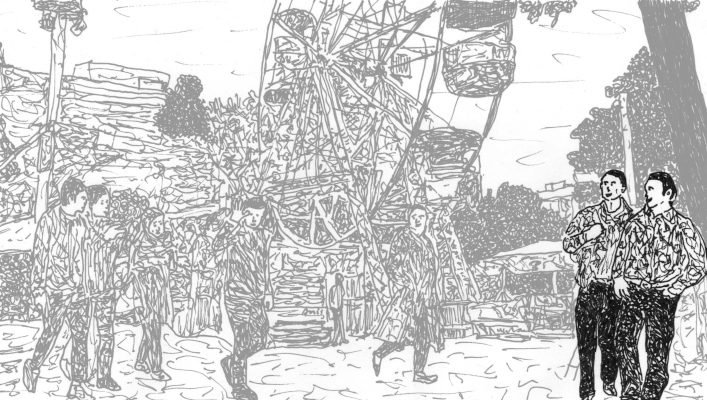
(English) Heinz and Helmut meet their group at the nearby Rezvan Park, because Ramin has announced some good news. Helmut refuses to be talked out of riding the Ferris wheel there, which may not be such a bad idea after all. Even if Heinz sees things differently at first. |
 |
(Italiano) Heinz e Helmut raggiungono il loro gruppo nel vicino parco Rezvan, perché Ramin ha annunciato una buona notizia. Helmut non si lascia dissuadere dal fare un giro sulla ruota panoramica del parco, e forse non è affatto una cattiva idea. Anche se all'inizio Heinz la pensa diversamente. |
(فارسی) هاینتس و هلموت در پارک رضوان که در همان نزدیکی است، به گروهشان ملحق میشوند، چون رامین خبرهای خوبی را وعده داده است. هلموت به هیچ وجه حاضر نیست از سوار شدن بر چرخوفلک آنجا منصرف شود؛ شاید هم اصلاً فکر بدی نباشد. هرچند هاینتس در ابتدا نظر دیگری دارد. (Deutsch) Heinz und Helmut treffen ihre Gruppe im nahegelegenen Rezvan-Park, denn Ramin hat gute Nachrichten angekündigt. Helmut lässt sich nicht davon abbringen, im dortigen Riesenrad zu fahren, was vielleicht gar keine schlechte Idee ist. Auch wenn Heinz das zunächst anders sieht. Special Version | ||
Tag 7 Heinz: Ich weiß nicht wieso, aber ich fühl mich hier irgendwie ... frei. Erstaunlich. Als hätte jemand eine Käseglocke über meinem Kopf weggenommen. Hel ... Wo ist der Typ? Oh nein, nicht schon wieder. |
Day 7 Heinz: I don't know why, but I kind of feel... free here. Amazing. As if someone had taken a cheese dome off my head. Hel... Where is the guy? Oh no, not again. |
Jour 7 Heinz : Je sais pas pourquoi, mais je me sens... libre ici. Étonnant. Comme si quelqu'un avait enlevé une cloche à fromage au-dessus de ma tête. Hel... Où est passé ce type ? Oh non, pas encore. |
Giorno 7 Heinz: Non so perché, ma qui mi sento in qualche modo... libero. Stupefacente. Come se qualcuno mi avesse tolto una campana di vetro dalla testa. Hel... Dov'è il tipo? Oh no, non di nuovo. |
En la noria Día 7 Heinz: No sé por qué, pero aquí me siento de alguna manera... libre. Fenomenal. Como si alguien me hubiera quitado una campana de queso de encima de la cabeza. Hel... ¿Dónde está el tipo? Oh no, otra vez no. |
روی چرخوفلک روز ۷ هاینتس: نمیدونم چرا، ولی اینجا یهجورایی حس میکنم... آزادَم. عجیبه. انگار یکی حباب دور سرم رو ترکونده. هِل... این یارو کجاست؟ اوه نه، دوباره شروع شد.
|
(English) Who could be hiding behind the name Maryam Farhadi? The Boys want to find out and ring her doorbell. They also visit the Grand Bazaar in Tehran, where Helmut is already deeply disappointed after just a few minutes. |
 |
(Italiano) Chi si nasconde dietro il nome Maryam Farhadi? I Ragazzi vogliono scoprirlo e suonano alla sua porta. Inoltre, visitano il grande bazar di Teheran, dal quale però Helmut rimane già profondamente deluso dopo pochi minuti. |
(فارسی) چه کسی ممکن است پشت نام مریم فرهادی پنهان شده باشد؟ پسران میخواهند این موضوع را بفهمند و زنگ درِ خانهٔ او را میزنند. علاوه بر این، آنها از بازار بزرگ تهران دیدن میکنند، اما هلموت تنها پس از چند دقیقه از آنجا بهشدت سرخورده میشود. (Deutsch) Wer mag sich hinter dem Namen Maryam Farhadi verbergen? Die Jungs wollen es herausfinden und klingeln an ihrer Tür. Außerdem besuchen sie den großen Bazar von Teheran, von dem Helmut aber nach wenigen Minuten bereits maßlos enttäuscht ist. Special Version | ||
Reizwäsche Tag 8 Helmut: Was hat er gesagt? |
Lingerie Day 8 Helmut: What did he say? |
Lingerie sexy Jour 8 Helmut : Qu'est-ce qu'il a dit ? |
Lingerie sexy Giorno 8 Helmut: Che cosa ha detto? |
Lencería sexy Día 8 Helmut: ¿Qué ha dicho? |
روز ۸ هلموت: چی گفت؟
|
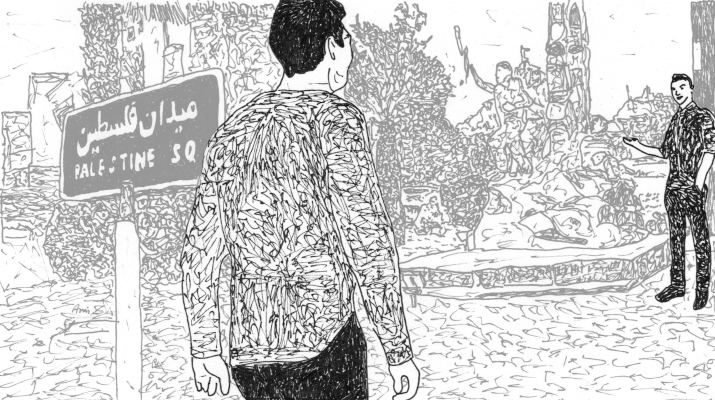
(English) Palestine Square in Tehran is a place charged with symbolism. Heinz wants to take a photo there and soak up the history. As they talk about the monument on the traffic island, the Boys realize that it’s not just the square that has changed—they have, too. |
 |
(Italiano) La piazza della Palestina a Teheran è un luogo ricco di significato simbolico. Heinz vorrebbe scattare una foto lì e respirare un po’ di storia. Mentre parlano del monumento sull’isola spartitraffico, i Ragazzi si rendono conto che non solo la piazza è cambiata, ma anche loro stessi. |
(فارسی) میدان فلسطین در تهران مکانی سرشار از نمادها و معناست. هاینتس میخواهد آنجا عکسی بگیرد و تاریخ را نفس بکشد. وقتی آنها روی جزیرهٔ ترافیکی دربارهٔ بنای یادبود صحبت میکنند، پسران متوجه میشوند که نهتنها میدان تغییراتی را تجربه کرده، بلکه خودشان نیز تغییر کردهاند. (Deutsch) Der Palästina-Platz in Teheran ist ein Ort voller Symbolkraft. Heinz möchte dort ein Foto machen und Geschichte atmen. Während sie sich auf der Verkehrsinsel über das Denkmal unterhalten, merken die Jungs, dass nicht nur der Platz Veränderungen erlebt hat, sondern auch sie selbst. Special Version | ||
Veränderungen Tag 9 Helmut: Du hast gesagt, dass ich ein Foto von dir machen soll, und nicht, dass du mich durch die halbe Stadt schleifen willst. |
Changes Day 9 Helmut: You said I should take a picture of you, not that you wanted to drag me halfway across the city. |
Changements Jour 9 Helmut : Tu as dit que je devais prendre une photo de toi, pas que tu voulais me traîner à l'autre bout de la ville. |
Cambiamenti Giorno 9 Helmut: Hai detto che dovevo farti una foto, non che volevi trascinarmi dall'altra parte della città. |
Cambios Día 9 Helmut: Dijiste que querías que te hiciera una foto, no que me arrastraras por media ciudad. |
تغییرات روز ۹ هلموت: تو گفتی ازت عکس بگیرم، نگفتی منو نصف شهر اینور و اونور بکشونی.
|
(English) Helmut generally enjoys learning new things, but what he’s experiencing today is completely overwhelming him. Information is pouring in from all sides, and even the most familiar things like language, drinking, and play suddenly turn into foreign and hard-to-decipher entities. |
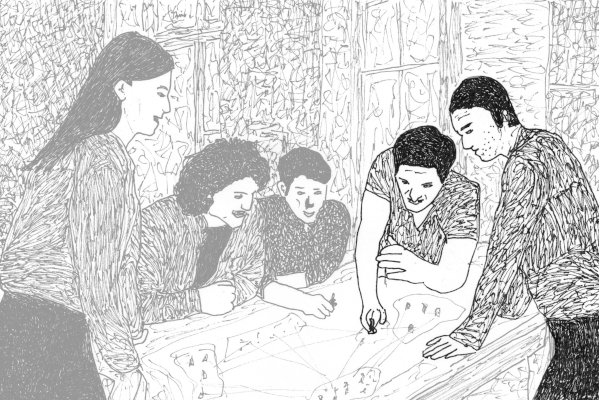 |
(Italiano) A Helmut piace imparare cose nuove in generale, ma quello che sta vivendo oggi lo mette davvero a dura prova. Le informazioni gli piovono addosso da tutte le parti e persino le cose più familiari, come la lingua, il bere e il gioco, si trasformano all’improvviso in entità estranee e difficili da decifrare. |
(فارسی) هلموت اصولاً دوست دارد چیزهای تازه یاد بگیرد، اما آنچه امروز تجربه میکند، او را بهشدت سردرگم میکند. اطلاعات از هر طرف بر سرش میریزند و حتی آشناترین چیزها، مثل زبان، نوشیدن و بازی، ناگهان به موجوداتی بیگانه و بهسختی قابل رمزگشایی تبدیل میشوند. (Deutsch) Helmut lernt allgemein gern dazu, aber was er heute erlebt, überfordert ihn maßlos. Von allen Seiten prasseln Informationen auf ihn nieder und selbst die vertrautesten Dinge wie Sprache, Trinken und Spiel verwandeln sich plötzlich in fremde und schwer entzifferbare Entitäten. Special Version | ||
Tag 12 Heinz: Hört ihr das? Ich glaub, Helmut ist zurück von seinem Spaziergang. |
Day 12 Heinz: Do you hear that? I think Helmut's back from his walk. |
Jour 12 Heinz : Vous entendez ça ? Je crois qu'Helmut est de retour de sa promenade. |
Giorno 12 Heinz: Lo sentite? Credo che Helmut sia tornato dalla sua passeggiata. |
Día 12 Heinz: ¿Oís eso? Creo que Helmut ya volvió de su paseo. |
روز ۱۲ هاینتس: اینو میشنوین؟ فکر کنم هلموت از پیادهرویش برگشته.
|
(English) The next day, the Boys learn more about the mathematician Maryam Farhadi, as they manage to reach her assistant at the University of Tehran. After he explains the situation to them, the two disagree about how they should proceed. |
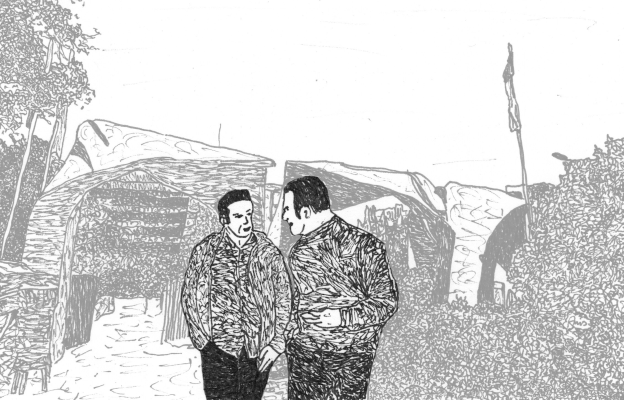 |
(Italiano) Il giorno dopo, i Ragazzi scoprono qualcosa in più sulla matematica Maryam Farhadi, perché riescono a raggiungere il suo assistente all'Università di Teheran. Dopo che lui ha spiegato loro la situazione, i due non sono d'accordo su come procedere. |
(فارسی) روز بعد، پسران دربارهٔ ریاضیدان، مریم فرهادی، اطلاعات بیشتری به دست میآورند، چون میتوانند دستیار او را در دانشگاه تهران پیدا کنند. پس از آنکه او وضعیت را برایشان توضیح میدهد، آن دو دربارهٔ اینکه حالا چه باید بکنند، با هم اختلاف نظر دارند. (Deutsch) Am nächsten Tag erfahren die Jungs mehr über die Mathematikerin Maryam Farhadi, denn sie erreichen ihren Assistenten in der Universität von Teheran. Nachdem er ihnen die Sachlage erklärt hat, sind sich die beiden nicht einig darüber, wie sie weiter vorgehen sollen. Special Version | ||
Tag 13 Helmut: Da vorne dann links? |
On Campus Day 13 Helmut: So it's left up ahead? |
Sur le campus Jour 13 Helmut : Alors, c'est à gauche devant ? |
Nel campus Giorno 13 Helmut: Quindi è lì davanti a sinistra? |
En el campus Día 13 Helmut: ¿Entonces allí delante a la izquierda? |
روز ۱۳ هلموت: اون جلو بعدش بپیچیم چپ؟
|
(English) Helmut can't sleep and gets Heinz into a conversation. The two of them have now been in Iran for two weeks, and Helmut is slowly starting to get homesick. Carefully and tactfully, he asks his roommate about the plans for what comes next. |
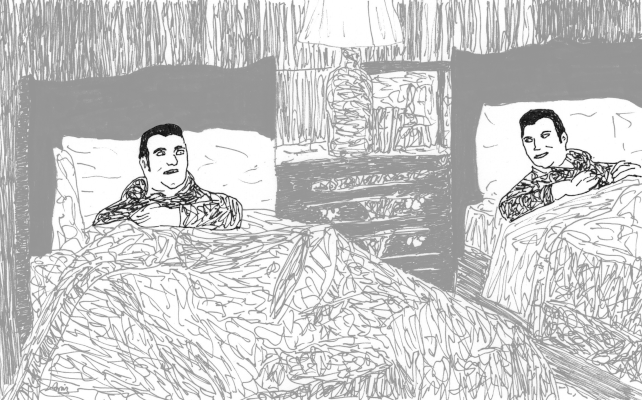 |
(Italiano) Helmut non riesce a dormire e coinvolge Heinz in una conversazione. Sono ormai due settimane che i due si trovano in Iran e Helmut comincia lentamente a sentire la nostalgia di casa. Con cautela e tatto, chiede al suo compagno di stanza quali siano i programmi per il prosieguo. |
(فارسی) هلموت نمیتواند بخوابد و هاینتس را به گفتوگویی میکشاند. حالا دو هفته است که آن دو در ایران هستند و هلموت کمکم دلتنگ خانه میشود. او با احتیاط و ملاحظه از هماتاقیاش دربارهٔ برنامههای بعدی میپرسد. (Deutsch) Helmut kann nicht schlafen und verwickelt Heinz in ein Gespräch. Seit zwei Wochen sind die beiden nun schon im Iran und Helmut bekommt langsam Heimweh. Vorsichtig und taktvoll erkundigt er sich bei seinem Zimmergenossen über die weiteren Planungen. Special Version | ||
Tag 14 Helmut: Heinz, schläfst du schon? |
Day 14 Helmut: Heinz, are you asleep already? |
Jour 14 Helmut : Heinz, tu dors déjà ? |
Giorno 14 Helmut: Heinz, dormi già? |
Día 14 Helmut: Heinz, ¿ya estás dormido? |
روز ۱۴ هلموت: هاینتس، خوابیدی؟
|
(English) Resentment is building up inside Helmut. Heinz takes him to the places that interest him, and he shows absolutely no consideration. On the contrary, just when Helmut gets curious at the museum and begins to enjoy the whole thing, his so-called friend simply ends the visit. |
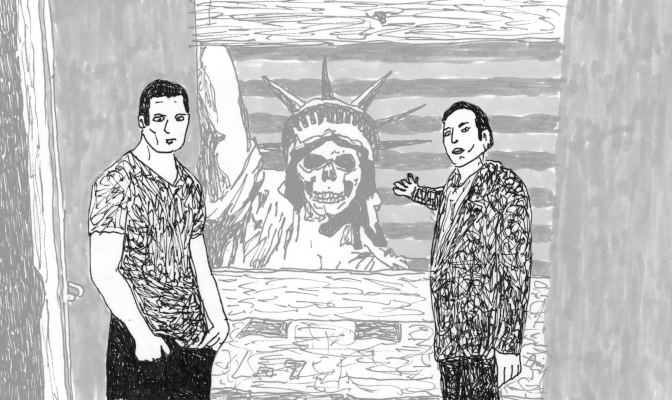 |
(Italiano) Il malcontento si accumula dentro Helmut. Heinz lo porta nei luoghi che lo interessano e non ha assolutamente riguardo per lui. Anzi, proprio quando Helmut si incuriosisce al museo e comincia a godersi la visita, il suo cosiddetto amico la interrompe e basta. |
(فارسی) در وجود هلموت نارضایتی دارد جمع میشود. هاینتس او را به جاهایی میبرد که برایش جالباند و اصلاً ملاحظهٔ او را نمیکند. برعکس، وقتی هلموت در موزه کنجکاو میشود و کمکم از ماجرا لذت میبرد، دوست بهاصطلاحش بازدید را همینطور ساده تمام میکند. (Deutsch) In Helmut braut sich Unmut zusammen. Heinz führt ihn zu den Orten, die ihn interessieren, und er nimmt überhaupt keine Rücksicht. Im Gegenteil, als Helmut im Museum neugierig wird und die Sache zu genießen beginnt, beendet sein sogenannter Freund den Besuch einfach. Special Version | ||
Tag 17 Helmut: Ach Mann, ich will nicht schon wieder ein Museum ankucken! |
Day 17 Helmut: Aw man, I don't want to go see another museum! |
Jour 17 Helmut : Oh mec, j'ai pas envie d'aller voir encore un musée ! |
Giorno 17 Helmut: Oh amico, non ho proprio voglia di andare a vedere un altro museo! |
Día 17 Helmut: ¡Vaya, tío, no me apetece ir a ver otro museo! |
روز ۱۷ هلموت: اوه مرد، نمیخوام دوباره برم موزه تماشا کنم!
|
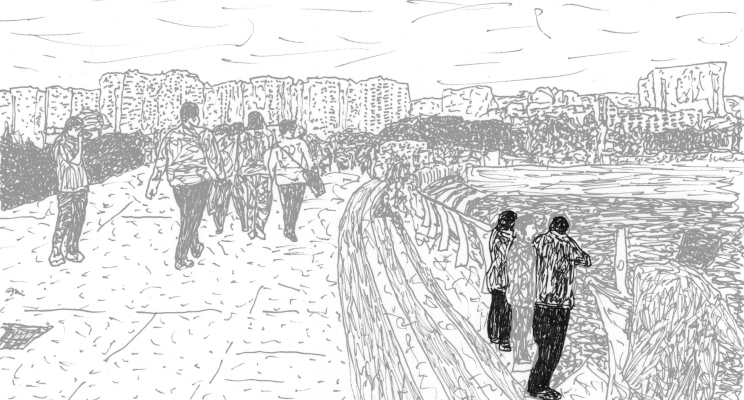
(English) In a bad mood, Heinz and Helmut get out of the taxi that has brought them to the meeting point. Should they even be talking to third parties in this state? The past has shown that this can quickly lead to unpleasant situations. |
 |
(Italiano) Di cattivo umore, Heinz e Helmut scendono dal taxi che li ha portati al punto d’incontro. Dovrebbero davvero parlare con dei terzi in questo stato? Il passato ha dimostrato che questo può portare rapidamente a situazioni spiacevoli. |
(فارسی) هاینتس و هلموت، بداخلاق و عبوس، از تاکسیای پیاده میشوند که آنها را به محل قرار رسانده است. آیا آنها اصلاً باید در چنین حال و روزی با اشخاص ثالث گفتوگو کنند؟ گذشته نشان داده است که این کار میتواند خیلی زود به موقعیتهای ناخوشایندی منجر شود. (Deutsch) Übel gelaunt steigen Heinz und Helmut aus ihrem Taxi, das sie zum Treffpunkt gebracht hat. Sollten sie in diesem Zustand überhaupt Gespräche mit Dritten führen? Die Vergangenheit hat gezeigt, dass das schnell zu unangenehmen Situationen führen kann. Special Version | ||
Tag 17 Helmut: Danke, äh, memnuun. Zahlen tut der da. Heinz? Zahl mal das Taxi! Kt |
Day 17 Helmut: Thanks, uh, memnoon. He's paying. Heinz? Pay for the taxi! Kt |
Jour 17 Helmut : Merci, euh, memnoun. C'est lui qui paie. Heinz ? Paie le taxi ! Kt |
Giorno 17 Helmut: Grazie, ehm, memnuun. Ci paga lui. Heinz? Paga il taxi! Kt |
Día 17 Helmut: Gracias, eh, memnuun. Ese de ahí paga. ¿Heinz? ¡Paga el taxi! Kt |
روز ۱۷ هلموت: ممنون، اِم، «مِمنون». اون حساب میکنه. هاینتس؟ کرایهٔ تاکسی رو حساب کن! کِت
|
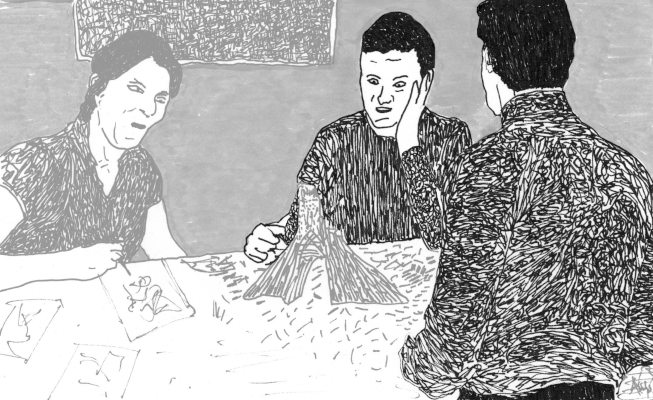
(English) In the following days, Heinz spends a lot of time with Maryam, because the two of them have quite a bit to discuss. Helmut, meanwhile, has to find other ways to keep himself occupied. He doesn't know yet that the Boys will soon be setting off on a new journey that will put an end to his boredom. |
 |
(Italiano) Nei giorni seguenti, Heinz dedica molto tempo a Maryam, perché i due hanno parecchie cose da discutere. Helmut, nel frattempo, deve trovare qualcos’altro per tenersi occupato. Non sa ancora che i Ragazzi partiranno presto per un nuovo viaggio che metterà fine alla sua noia. |
(فارسی) هایِنتس در روزهای بعد وقت زیادی برای مریم میگذارد، چون آن دو حرفهای زیادی برای گفتن دارند. هلموت در این میان باید خودش را به کار دیگری مشغول کند. او هنوز نمیداند که پسران بهزودی راهی سفری تازه خواهند شد؛ سفری که به کسالت او پایان خواهد داد. (Deutsch) Heinz nimmt sich in den folgenden Tagen viel Zeit für Maryam, denn die beiden haben allerhand zu besprechen. Helmut muss sich derweil anderweitig beschäftigen. Er weiß noch nicht, dass die Jungs schon bald auf eine neue Reise gehen, die seine Langeweile beenden wird. Special Version | ||
Tag 24 Helmut: Ah, Heinz, heute erst so spät. Wie war deine Session mit Maryam? |
Day 24 Helmut: Ah, Heinz, you're late today. How was your session with Maryam? |
Jour 24 Helmut : Ah, Heinz, aujourd'hui si tard. Comment s'est passée ta séance avec Maryam ? |
Giorno 24 Helmut: Ah, Heinz, oggi così tardi. Com'è andata la tua sessione con Maryam? |
Día 24 Helmut: Ah, Heinz, hoy sí que llegas tarde. ¿Qué tal tu sesión con Maryam? |
روز ۲۴ هلموت: آه، هاینتس، امروز خیلی دیر. جلسهات با مریم چطور بود؟
|
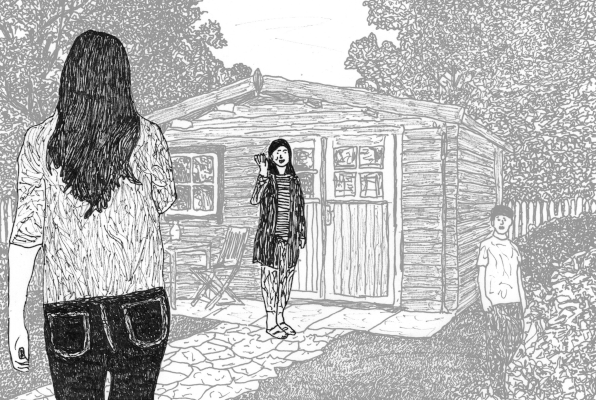
(English) While the Boys are looking forward to their outing, the Gals have settled back into everyday life after the summer vacation. However, it’s no longer the same everyday life, because a little boy has entered Fiona’s life, and today she realizes just how important he has become to her. |
 |
(Italiano) Mentre i Ragazzi non vedono l’ora di fare la loro gita, le Ragazze sono tornate alla vita quotidiana dopo le vacanze estive. Però non è più la stessa vita di tutti i giorni, perché un ragazzino è entrato nella vita di Fiona e oggi lei si rende conto di quanto sia diventato importante per lei. |
(فارسی) در حالی که پسران برای گردششان ذوقزدهاند، دختران پس از تعطیلات تابستانی دوباره به زندگی روزمره برگشتهاند. اما این دیگر همان زندگی روزمرهٔ قبلی نیست، چون پسر کوچکی وارد زندگی فیونا شده است و او امروز متوجه میشود که این پسر چقدر برایش مهم شده است. (Deutsch) Während sich die Jungs auf ihren Ausflug freuen, sind die Mädels nach den Sommerferien wieder im Alltag angekommen. Allerdings ist es nicht mehr derselbe Alltag, denn ein kleiner Junge ist in Fionas Leben getreten und heute merkt sie, wie wichtig er ihr geworden ist. Special Version | ||
Tag 24 Fiona: Sehr gut hast du das gemacht, Franz! Ja, ich seh es, du hast die Seiten professionell eingefaltet. Ich bin auch fertig. Jetzt legen wir die Dinger in den Topf und kochen sie. Stell dich auf den Stuhl, dann kannst du alles sehen. Aber vorsichtig! |
Unusable Story Day 24 Fiona: You did a great job with that, Franz! Yes, I can see it, you folded the sides like a pro. I'm done too. Now let's put the things in the pot and cook them. Stand on the chair, then you can see everything. But be careful! |
Histoire inutilisable Jour 24 Fiona : Tu as très bien fait ça, Franz ! Oui, je vois, tu as plié les côtés comme un pro. J'ai fini aussi. Maintenant, on tout met ça dans la casserole et on fait cuire. Monte sur la chaise, comme ça tu peux tout voir. Mais fais attention ! |
Storia inutilizzabile Giorno 24 Fiona: Sei stato bravissimo, Franz! Sì, lo vedo, hai piegato i bordi come un professionista. Ho finito anch'io. Adesso mettiamo le cose nella pentola e le facciamo cuocere. Sali sulla sedia, così puoi vedere tutto. Ma attento! |
Historia inutilizable Día 24 Fiona: ¡Lo has hecho muy bien, Franz! Sí, lo veo, has doblado los lados como un profesional. Yo también he terminado. Ahora metemos las cosas en la olla y las cocemos. Súbete a la silla, así puedes verlo todo. ¡Pero con cuidado! |
داستان بیمصرف روز ۲۴ فیونا: خیلی خوب انجامش دادی، فرانتس! آره، میبینم، برگها رو خیلی حرفهای تا زدی. منم کارم تموم شد. حالا این چیزها رو میذاریم توی قابلمه و میپزیمشون. برو روی صندلی وایسا، اونوقت همهچی رو میبینی. ولی مواظب باش!
|
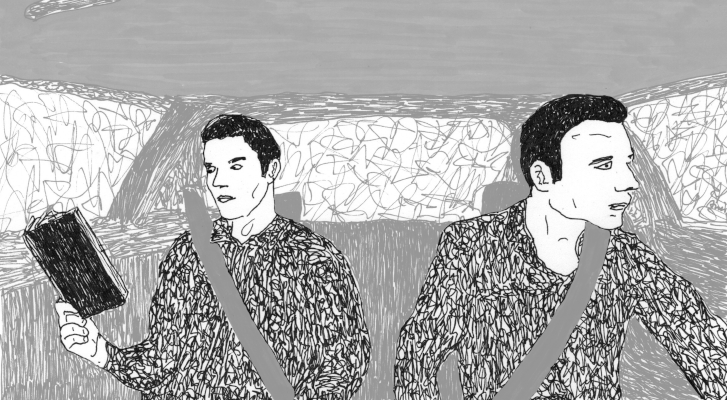
(English) Heinz is at a loss when it comes to his friend’s behavior. Helmut is doing and saying things that don’t fit him. Or do they? Let’s hear what Helmut himself has to say about it, because the other side should at least be given a chance to speak. |
 |
(Italiano) Heinz è perplesso di fronte al comportamento del suo amico. Helmut fa e dice cose che non gli si addicono. O forse sì? Sentiamo cosa ha da dire Helmut stesso al riguardo, perché almeno l’altra parte dovrebbe avere la possibilità di dire la sua. |
(فارسی) هاینتس از رفتار دوستش سر درنمیآورد. هلموت کارها و حرفهایی میزند که به او نمیآیند. یا شاید هم میآیند؟ بیایید ببینیم خود هلموت دربارهٔ این موضوع چه میگوید، چون دستکم باید به طرف دیگر هم فرصت حرف زدن داد. (Deutsch) Heinz ist ratlos, was das Verhalten seines Freundes angeht. Helmut tut und sagt Dinge, die nicht zu ihm passen. Oder doch? Hören wir uns an, was Helmut selbst dazu zu sagen hat, denn man sollte die andere Seite zumindest zu Wort kommen lassen. Special Version | ||
Tag 25 Heinz: Willst du dich jetzt die ganze Fahrt über mit dem Persisch-Lehrbuch beschäftigen? |
Day 25 Heinz: Are you going to spend the whole trip poring over that Persian textbook? |
Jour 25 Heinz : Tu vas passer tout le trajet à t'occuper de ce manuel de persan ? |
Giorno 25 Heinz: Hai intenzione di passare tutto il viaggio a occuparti di quel manuale di persiano? |
Día 25 Heinz: ¿Te vas a pasar todo el viaje metido en el libro de persa? |
روز ۲۵ هاینتس: میخوای حالا کل سفر رو با این کتاب آموزش فارسی بگذرونی؟
|
(English) The Boys don’t know it, but this is their 500th adventure. And it’s not any ordinary adventure, but a double one, no, a threefold magical one! It’s just a shame that Helmut doesn’t realize any of this. But Heinz will surely tell him all about it in every little detail afterward. |
 |
(Italiano) I Ragazzi non lo sanno, ma questa è la loro 500ª avventura. E non è una normale avventura, ma una doppia, anzi, una triplice magica! Peccato solo che Helmut non si accorga di nulla. Ma Heinz gli racconterà sicuramente tutto per filo e per segno dopo. |
(فارسی) پسران نمیدانند، اما این پانصدمین ماجراجویی آنهاست. و این فقط یک ماجراجویی معمولی نیست، بلکه یک ماجراجویی دوگانه، نه، یک ماجراجویی جادوییِ سهگانه است! حیف که هلموت متوجه هیچکدامش نمیشود. اما هاینتس حتماً بعداً همهچیز را مو به مو برایش تعریف میکند. (Deutsch) Die Jungs wissen es nicht, aber dies ist ihr 500-stes Abenteuer. Und es ist nicht irgendein herkömmliches Abenteuer, sondern ein doppeltes, nein, ein dreifach magisches! Schade nur, dass Helmut nichts davon mitbekommt. Aber Heinz wird ihm danach bestimmt alles haarklein erzählen. Special Version | ||
Die halbe Welt Tag 26 Helmut: Heinz, hör mal! Shirin und Mehdi haben mir ein Sprichwort gesagt: „Isfahan ist die halbe Welt.” Ha! Was für eine Stadt! Die Brücke über den Fluss vorhin, zum Beispiel. Pit-to-resk. |
Day 26 Helmut: Heinz, listen! Shirin and Mehdi told me a proverb: "Isfahan is half the world." Ha! What a city! The bridge over the river earlier, for example. Pic-tur-esque. |
Jour 26 Helmut : Heinz, écoute ! Shirin et Mehdi m'ont dit un proverbe : « Ispahan est la moitié du monde. » Ha ! Quelle ville ! Le pont au-dessus de la rivière tout à l'heure, par exemple. Pit-to-resque. |
Giorno 26 Helmut: Heinz, ascolta! Shirin e Mehdi mi hanno detto un proverbio: "Isfahan è metà del mondo." Ah! Che città! Il ponte sul fiume di prima, per esempio. Pit-to-res-co. |
Día 26 Helmut: ¡Heinz, escucha! Shirin y Mehdi me han dicho un proverbio: "Isfahán es la mitad del mundo". ¡Ja! ¡Qué ciudad! El puente sobre el río de antes, por ejemplo. Pin-to-res-co. |
نصف جهان روز ۲۶ هلموت: هاینتس، گوش کن! شیرین و مهدی یک ضربالمثل بهم گفتن: «اصفهان نصف جهانه.» ها! چه شهری! مثلاً همین پلی که چند لحظه پیش از روی رودخونه رد شدیم. تَما-شا-یی.
|
(English) The group stays at Naqsh-e Jahan Square until after midnight. While the Iranians recover from the shock of time travel, Helmut expresses some psychological and philosophical thoughts that have been occupying his mind for the past few days. Heinz finds it difficult to respond to them. |
 |
(Italiano) Il gruppo rimane sulla piazza Naqsh-e Jahan fino a dopo mezzanotte. Mentre gli iraniani si riprendono dallo shock del viaggio nel tempo, Helmut esprime alcuni pensieri psicologici e filosofici che lo occupano da qualche giorno. Heinz fa fatica a reagire. |
(فارسی) گروه تا بعد از نیمهشب در میدان نقش جهان میماند. در حالی که ایرانیها از شوک سفر در زمان بهبود پیدا میکنند، هلموت چند فکر روانشناختی و فلسفی را بیان میکند که چند روز است ذهنش را مشغول کردهاند. واکنش نشان دادن به آنها برای هاینتس دشوار است. (Deutsch) Die Gruppe bleibt bis nach Mitternacht auf dem Naqsche-Dschahaan-Platz. Während sich die Iraner vom Schock der Zeitreise erholen, äußert Helmut einige psychologisch-philosophische Gedanken, die ihn seit mehreren Tagen beschäftigen. Heinz fällt es schwer, darauf zu reagieren. Special Version | ||
Tag 26 Heinz: Und du bist gar nicht sauer oder traurig, weil du den fliegenden Teppich verpasst hast? |
A New Level Day 26 Heinz: And you're not angry or sad at all because you missed the flying carpet? |
Jour 26 Heinz : Et tu n'es pas du tout fâché ou triste d'avoir raté le tapis volant ? |
Giorno 26 Heinz: E non sei per niente arrabbiato o triste per aver perso il tappeto volante? |
Día 26 Heinz: ¿Y no estás nada enfadado ni triste por haberte perdido la alfombra voladora? |
یک سطح جدید روز ۲۶ هاینتس: و اصلاً عصبانی یا ناراحت نیستی که قالی پرنده را از دست دادی؟
|
(English) The Boys spend several more days with Shirin and Mehdi until they set off on the second leg of their journey. Helmut notices that his friend is going through a phase of transformation, and he does his best to convince him that this is a good thing. |
 |
(Italiano) I Ragazzi passano ancora alcuni giorni con Shirin e Mehdi, finché non partono per la seconda tappa del loro viaggio. Helmut si accorge che il suo amico sta attraversando una fase di trasformazione e fa del suo meglio per convincerlo che è una cosa positiva. |
(فارسی) پسران چند روز دیگر را با شیرین و مهدی میگذرانند تا اینکه برای دومین مرحلهٔ سفرشان راه میافتند. هلموت متوجه میشود که دوستش در مرحلهای از تحول قرار دارد و تمام تلاشش را میکند تا او را قانع کند که این چیز خوبی است. (Deutsch) Die Jungs verbringen einige weitere Tage mit Shirin und Mehdi, bis sie zur zweiten Etappe ihrer Reise aufbrechen. Helmut fällt auf, dass sich sein Freund in einer Transformationsphase befindet, und er tut sein Bestes, um ihn davon zu überzeugen, dass das etwas Gutes ist. Special Version | ||
Ungewisse Zukunft Tag 29 Helmut: Natürlich, Azad, natürlich bin ich schon gespannt auf Schiras. Ich frag mich nur, warum Heinz so lange braucht. Am besten geh ich mal nachsehen. Bin gleich wieder da. Kt schlp |
Uncertain Future Day 29 Helmut: Of course, Azad, of course I'm already looking forward to seeing Shiraz. I'm just wondering why Heinz is taking so long. I'd better go check on him. I'll be right back. Kt shlp |
Avenir incertain Jour 29 Helmut : Bien sûr, Azad, bien sûr que j'ai déjà hâte de voir Chiraz. Je me demande juste pourquoi Heinz met autant de temps. Je ferais mieux d'aller voir. Je reviens tout de suite. Kt chlp |
Futuro incerto Giorno 29 Helmut: Certo, Azad, certo che non vedo già l'ora di vedere Shiraz. Mi chiedo solo perché Heinz ci metta tanto. È meglio che vada a dare un'occhiata. Torno subito. Kt shlp |
Futuro incierto Día 29 Helmut: Claro, Azad, claro que ya tengo ganas de conocer a Shiraz. Solo me pregunto por qué Heinz tarda tanto. Mejor voy a echar un vistazo. Ahora vuelvo. Kt shlp |
آیندهٔ نامعلوم روز ۲۹ هلموت: البته، آزاد، معلومه که من هم از الان برای شیراز هیجانزدهام. فقط برام سؤال شده که چرا هاینتس اینقدر طولش داده. بهتره برم یه سر ببینم. الان برمیگردم. کت شلپ
|
(English) Just one more hour to Shiraz. But what’s suddenly wrong with Heinz? At the rest stop, Helmut can barely keep him awake. He’s so focused on his sleepy friend that he hardly notices all the curious eyes watching him. |
 |
(Italiano) Manca solo un’ora a Shiraz. Ma che cosa succede all’improvviso a Heinz? All’area di servizio Helmut riesce a malapena a tenerlo sveglio. È così concentrato sul suo amico assonnato che quasi non si accorge dei tanti sguardi curiosi puntati su di lui. |
(فارسی) فقط یک ساعت تا شیراز مانده. اما ناگهان چه بلایی سر هاینتس آمده؟ در مجتمع بینراهی، هلموت بهسختی میتواند او را بیدار نگه دارد. آنقدر حواسش به دوست خوابآلودش است که بهسختی متوجه نگاههای کنجکاوانهٔ زیادی میشود که به او دوخته شدهاند. (Deutsch) Nur noch eine Stunde bis Schiras. Aber was ist plötzlich mit Heinz los? Auf der Raststätte gelingt es Helmut kaum, ihn wach zu halten. Er ist so sehr auf seinen schläfrigen Freund konzentriert, dass er kaum die vielen neugierigen Augen bemerkt, die auf ihn gerichtet sind. Special Version | ||
So müde Tag 29 Helmut: Wir sind bald da, Heinz. Hier ist eine Raststätte für unsere letzte Pause vor Schiras. Heinz? Geht's dir gut da hinten? |
So Tired Day 29 Helmut: We're almost there, Heinz. Here's a rest stop for our last break before Shiraz. Heinz? You doing okay back there? |
fatigué Jour 29 Helmut : On y est presque, Heinz. Voilà une aire de repos pour notre dernière pause avant Chiraz. Heinz ? Ça va, là-derrière ? |
Così stanco Giorno 29 Helmut: Siamo quasi arrivati, Heinz. Ecco un'area di sosta per la nostra ultima pausa prima di Shiraz. Heinz? Tutto bene là dietro? |
Tan cansado Día 29 Helmut: Ya casi hemos llegado, Heinz. Aquí hay un área de descanso para nuestra última pausa antes de Shiraz. ¿Heinz? ¿Estás bien ahí atrás? |
اینقدر خسته روز ۲۹
هلموت: بهزودی میرسیم، هاینتس. اینجا یه مجتمع بینراهیه برای آخرین استراحتمون قبل از شیراز. هاینتس؟ اون عقب حالت خوبه؟
|
| Fortsetzung folgt — To be continued — À suivre — Continua — Continuará... |
| up | |
| Datenschutzerklärung und Impressum (data privacy statement and imprint) |
